
Iran Conflict Expands As Saudi Arabia, Houthis Exchange Airstrikes In Dangerous Red Sea Escalation
The conflict between the United States and Iran widened dramatically on Friday after Saudi Arabia and Iran-backed Houthi rebels exchanged major airstrikes, opening another front in an increasingly volatile regional war and raising new concerns about global energy supplies and international shipping.
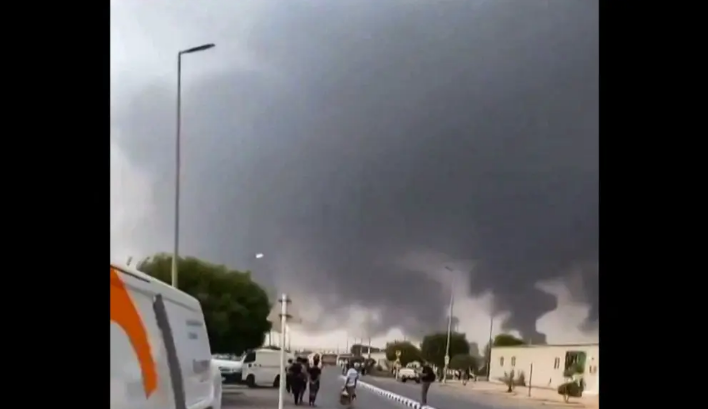
The latest escalation began after Saudi forces carried out strikes against Houthi targets in Yemen, including positions in the strategic Red Sea port city of Hodeidah. The Houthis quickly retaliated, launching dozens of ballistic missiles, cruise missiles, and drones toward Saudi Arabia, targeting Aramco oil facilities in the cities of Yanbu and Jizan. The rebel group claimed the attacks successfully struck their intended targets and announced what it described as a blockade against Saudi Arabia.
While Saudi officials have not confirmed the extent of any damage to the targeted oil facilities, the attacks have heightened fears that one of the world’s most important energy corridors could become engulfed in the broader regional conflict. The Bab el-Mandeb Strait serves as a critical shipping route connecting the Red Sea to the Gulf of Aden, with millions of barrels of oil and commercial cargo passing through the area each day.
The widening conflict comes as President Trump has warned that Iran will be held responsible for the actions of its proxy forces throughout the region. Administration officials have repeatedly argued that Tehran is directing and supporting Houthi operations, while the Houthis have increasingly aligned their military campaign with Iran’s confrontation against the United States.
Military analysts believe Saudi Arabia could now launch a broader offensive against Houthi forces following the latest missile barrage. The exchange of strikes has effectively ended the relative calm that had existed between Saudi Arabia and the Houthis in recent years, creating another major flashpoint as fighting continues between the United States and Iran.
The renewed fighting has also sent shockwaves through global energy markets. Concerns that continued attacks on oil infrastructure and commercial shipping could disrupt supplies pushed oil prices sharply higher, while shipping insurers increased premiums for vessels operating in the Red Sea and surrounding waters. With hostilities now spreading beyond Iran itself and drawing additional regional powers into the conflict, fears continue to grow that the war could expand into a much broader Middle East confrontation.