
Iran’s Oil Sector Under Strain As Blockade Squeezes Exports And Storage
Iran’s oil industry is facing intensifying pressure as a U.S.-led blockade restricts exports, forcing the regime into difficult decisions that could have long-term consequences for one of its most critical economic pillars.
The standoff comes as President Donald Trump continues to push Tehran toward a deal on its nuclear program. Iranian leadership has resisted those demands and instead is prioritizing reopening the Strait of Hormuz, a key global shipping route it has signaled interest in controlling.
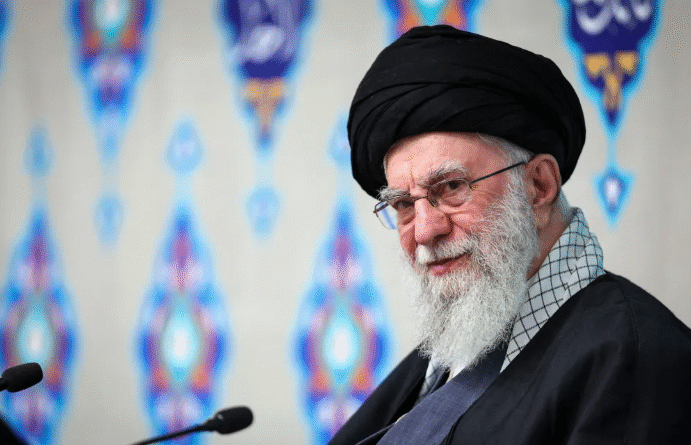
Ayatollah Mojtaba Khamenei indicated Iran intends to assert authority over the waterway, escalating tensions in a region already strained by military and economic pressure.
With exports constrained, Iran is running out of options. Analysts say the regime must choose between using oil domestically, storing it, or shutting down production — each with significant drawbacks. Storage capacity is tightening rapidly, raising the likelihood that production cuts will become unavoidable.
According to industry data, Iran’s oil exports dropped sharply after the blockade took hold, falling from over 2 million barrels per day earlier in the conflict to well under 600,000 barrels per day. Meanwhile, U.S. forces have redirected dozens of commercial vessels as part of enforcement efforts.
Experts warn that shutting down oil wells carries technical risks beyond immediate economic losses. Reduced pressure within aging wells can lead to permanent damage, making it difficult to restore previous production levels even after operations resume.
To delay those outcomes, Iran has turned to temporary measures such as floating storage and alternative export routes. Reports indicate the regime has even reactivated aging tankers to hold excess crude offshore, though such solutions provide only limited relief.
Energy analysts estimate Iran may have only a few weeks of usable storage capacity remaining before production cuts become unavoidable, putting further strain on government revenues.
Groups like United Against Nuclear Iran argue that the pressure campaign is hitting the regime where it is most vulnerable, limiting its ability to fund military operations and domestic control mechanisms.
Still, Iran has experience navigating sanctions and export disruptions. During earlier pressure campaigns, exports temporarily collapsed but later rebounded once restrictions eased, suggesting the regime may be able to manage the situation longer than expected.
However, prolonged economic strain could carry political risks. Analysts warn that continued pressure on the population, combined with reduced oil revenue, could increase the chances of internal unrest if conditions worsen.
As the blockade continues, Iran faces a narrowing set of choices — each with consequences that could reshape both its energy sector and broader economic stability.