
Iran’s Top Civilian Leaders Push for Deal With Trump as Economic Pressure Mounts
Iran’s top civilian leaders are publicly pushing for a diplomatic agreement with President Donald Trump to end the months-long war, warning that their country cannot indefinitely withstand the mounting economic damage caused by the conflict, American sanctions and the U.S. naval blockade.
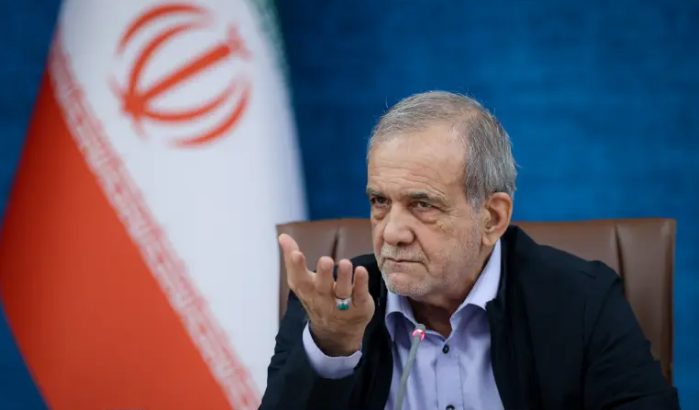
Iranian President Masoud Pezeshkian and parliamentary speaker Mohammad Bagher Ghalibaf have both recently called for an end to the fighting. Their remarks reveal a growing divide inside Tehran between civilian officials seeking a negotiated settlement and hardliners determined to continue resisting Washington.
Pezeshkian argued that pursuing an agreement should not be confused with surrender. He said Iran must preserve its dignity while recognizing the realities confronting the country, describing diplomacy as the most practical way to bring the conflict to an end.
The Iranian president has specifically defended the memorandum previously negotiated with the United States as the best available path toward ending the war and restarting negotiations over Iran’s nuclear program. The 60-day negotiating window established under that framework has expired without producing a permanent settlement.
Ghalibaf has focused heavily on Iran’s deteriorating economy, warning that economic stability is inseparable from national security. The war, sanctions and restrictions on Iranian oil exports have intensified inflation, weakened the country’s currency and increased the financial strain facing ordinary Iranians.
The calls for diplomacy come at an especially critical moment because the Trump administration is preparing another major escalation of its economic campaign. Treasury Secretary Scott Bessent is expected to unveil new sanctions that administration officials have described as potentially among the toughest ever imposed on Iran.
Trump has also warned foreign countries against helping Tehran circumvent American restrictions. His administration is preparing to use secondary sanctions against governments, financial institutions and businesses that continue providing Iran with economic lifelines, potentially forcing countries to choose between commerce with Iran and access to the American financial system.
Despite the economic pressure, major obstacles remain between Washington and Tehran. The Strait of Hormuz continues to be one of the most difficult issues, with Iran demanding that the United States lift its blockade and other restrictions while Washington has insisted on restoring unrestricted commercial passage through the strategically vital waterway.
Iran’s leadership also remains divided over how to respond. While Pezeshkian and Ghalibaf are publicly emphasizing diplomacy, hardline elements continue advocating resistance and warning against concessions to Washington. Iranian Foreign Minister Abbas Araghchi has simultaneously dismissed the effectiveness of Washington’s threatened new sanctions.
International efforts to revive negotiations are accelerating. Pakistan’s army chief, Asim Munir, is scheduled to travel to Tehran as Islamabad continues attempting to mediate between the United States and Iran. Egypt has also been involved in efforts to restart negotiations between the two governments.
Trump’s central demands have remained focused on preventing Iran from obtaining a nuclear weapon and resolving the confrontation surrounding the Strait of Hormuz. Tehran, meanwhile, has sought sanctions relief and an end to American military and economic pressure as part of any lasting settlement.
The increasingly public appeals from Pezeshkian and Ghalibaf suggest that economic pressure is becoming a major factor in Tehran’s internal debate. After months of war and worsening financial conditions, some of Iran’s most powerful civilian officials are now arguing that reaching an agreement with Trump may be preferable to continuing a confrontation they fear their country cannot economically endure.