
Joy Behar Sparks Backlash After Claiming Jesus Never Called Himself the Messiah
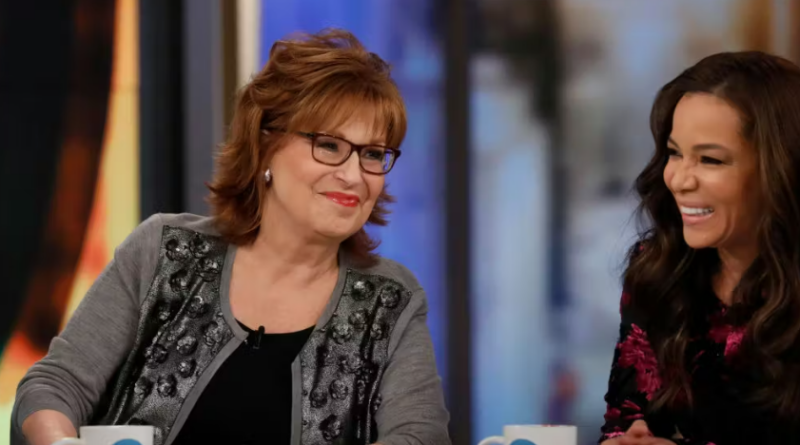
Joy Behar stirred controversy during a recent episode of The View after asserting that Jesus Christ never explicitly referred to Himself as the Messiah.
During the discussion, Behar said, “Jesus himself did not run around saying, ‘I’m the Messiah, I’m the Messiah.’” Her co-host Sara Haines quickly pushed back, responding, “That’s exactly what Jesus said, ‘I am the Messiah.’”
The exchange drew immediate attention, with critics pointing to passages in the Bible that they argue directly contradict Behar’s claim. In the Gospel of Gospel of John, Jesus speaks to the Samaritan woman and states, “I who speak to you am He,” widely interpreted by Christians as a direct acknowledgment of His identity as the Messiah. Later in the same Gospel, Jesus declares, “Before Abraham was, I am,” a statement many theologians interpret as a claim to divinity.
Additional references are often cited from the Gospel of Gospel of Matthew, where Jesus affirms His identity when questioned by the high priest during His trial. According to the account, His response played a central role in the charges that ultimately led to His crucifixion.
Critics argue that while Jesus may not have repeatedly declared the title in a modern, overt manner, the Gospels present multiple instances where He affirms His role and authority in ways understood by followers and religious leaders of the time.
The moment also reignited broader criticism of ABC News and its flagship daytime program, with detractors accusing the show of promoting misinformation on religious topics. The program has long been a lightning rod for political and cultural debates, often drawing strong reactions from viewers across the spectrum.
Supporters of Behar, however, argue that her comment reflected a more nuanced interpretation of how Jesus communicated His identity, suggesting that His claims were often indirect or conveyed through parables and actions rather than repeated explicit declarations.
The segment quickly went viral, adding to the ongoing cultural and political scrutiny surrounding The View and its panel discussions.