
Scott Bessent Arrives at G20 With Warning for Iran: ‘Come to Their Senses’
Treasury Secretary Scott Bessent arrived at the G20 finance ministers meeting in Asheville, North Carolina, on Monday with a clear message for Iran: the Trump administration intends to use overwhelming economic pressure to force Tehran to change course.
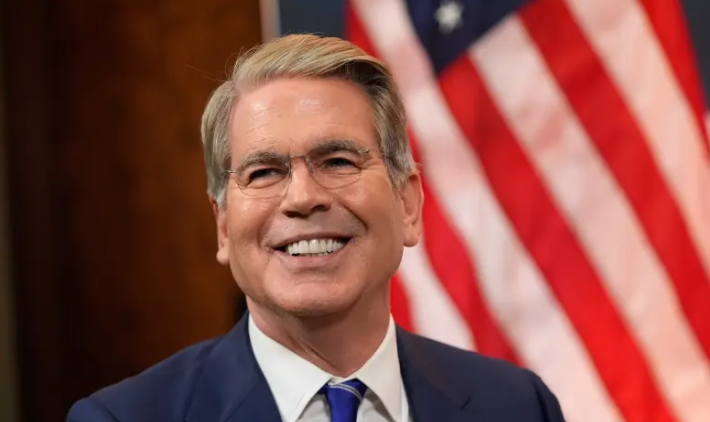
A smiling Bessent greeted officials as finance ministers and central bankers from the world’s largest economies gathered for talks expected to focus heavily on Iran, global economic growth, government debt and ongoing international trade disputes.
The Treasury secretary said the administration believes Iran could feel the full impact of its economic pressure campaign within weeks or months. But he emphasized that Washington’s objective does not necessarily require completely collapsing the Iranian economy.
“The economy doesn’t have to collapse,” Bessent told reporters. “We just have to have the regime come to their senses.”
The Trump administration has launched what Bessent calls “Operation Economic Outcast,” an aggressive effort to isolate Tehran from the international financial system and cut off revenue flowing to the Iranian government.
Bessent said another bank will be hit with sanctions as part of the campaign. Washington is also threatening consequences for foreign companies, financial institutions and governments that continue helping Iran conduct business internationally.
The administration has signaled that Iran’s oil revenue will be one of its most important targets. Countries and companies involved in transactions that transform Iranian petroleum into usable revenue could find themselves facing American sanctions.
Bessent has used unusually forceful language to describe the strategy, saying the United States is prepared to employ “financial violence” if necessary. The administration hopes the economic campaign can accomplish through financial pressure what additional military action might otherwise be required to achieve.
The European Union has already expressed support for increasing economic pressure on Tehran. Bessent said European officials have provided “fulsome support” for the American sanctions campaign, giving Washington an important partner as it attempts to isolate Iran globally.
China could present a much more difficult challenge. Beijing remains the largest buyer of Iranian oil, making Chinese cooperation particularly important if the administration hopes to significantly reduce Tehran’s ability to generate energy revenue.
Bessent said all options remain available when asked whether the United States could sanction China over continued purchases of Iranian petroleum. He rejected suggestions that the Trump administration is unwilling to confront Beijing and argued that the two countries share some important strategic interests involving Iran.
According to Bessent, both Washington and Beijing want the Strait of Hormuz reopened and oppose Iran obtaining a nuclear weapon. The administration hopes those shared interests can help persuade China to reduce economic support for Tehran.
The G20 gathering comes as renewed hostilities between the United States and Iran continue putting pressure on global energy markets. Washington has indicated that economic warfare will play an increasingly important role in its strategy even as military options remain available.
Bessent is simultaneously using the meeting to promote President Donald Trump’s broader economic agenda. He wants other major economies to pursue stronger growth through deregulation, energy development and policies designed to address massive levels of government debt.
The Treasury secretary has warned that the world is sitting on a “mountain of debt” that cannot simply be solved through higher taxes or austerity. His preferred solution is stronger economic growth capable of making those debt burdens more manageable.
For the Trump administration, however, Iran remains one of the most urgent issues on the agenda. Bessent believes a coordinated international financial squeeze can deprive Tehran of revenue and force its leaders to reconsider their current path without requiring the Iranian economy to completely collapse.
His message in Asheville was unmistakable: Washington believes the pressure is already working, more sanctions are coming, and the administration intends to keep tightening the financial screws until Iran finally “comes to their senses.”