
Ted Cruz Calls Zohran Mamdani ‘Most Powerful Democrat’ as He Warns of Socialist Rise
Sen. Ted Cruz is warning that the growing influence of democratic socialists and other progressives is reshaping the Democratic Party, going so far as to call New York City Mayor Zohran Mamdani the “single most powerful Democrat in the country.”
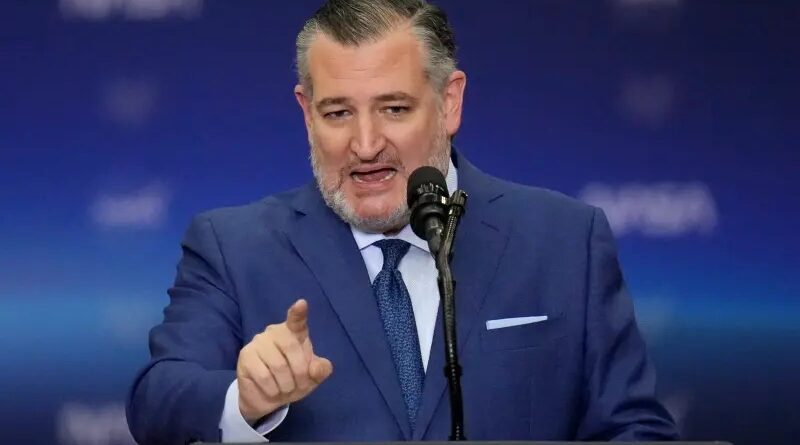
The Texas Republican made the remarks Thursday during an energy affordability summit hosted by the Club for Growth and Arnold Ventures, where lawmakers discussed the prospects for bipartisan permitting reform.
Cruz argued that there should be room for Republicans and Democrats to cooperate on policies intended to make it easier to build energy infrastructure, but said the political environment ahead of the midterm elections is making compromise increasingly difficult.
According to Cruz, establishment Democrats are under intense pressure from their party’s progressive wing and are concerned about facing primary challenges if they cooperate with Republicans.
He specifically singled out Senate Minority Leader Chuck Schumer, saying the New York Democrat is “truly terrified” of the political movement growing to his left.
Cruz argued that the influence of that movement now extends well beyond a handful of progressive lawmakers in Washington.
“It is not the case that every Senate Democrat is a Marxist or Islamist,” Cruz said. He then argued that Democratic senators nevertheless fear activists and candidates on the party’s far left because that is where he believes much of the party’s political energy currently resides.
Cruz pointed to Mamdani as the clearest example, declaring that he believes the democratic socialist New York City mayor has become the Democratic Party’s most powerful figure.
Mamdani’s political influence has grown considerably since his election as mayor, particularly after candidates he supported scored major victories in Democratic congressional primaries earlier this year.
Three House candidates endorsed by Mamdani won their New York Democratic primaries in June, including insurgent candidates who defeated established incumbents.
Democratic socialist Darializa Avila Chevalier defeated longtime Rep. Adriano Espaillat, the chairman of the Congressional Hispanic Caucus, in one of the most notable upsets.
Progressive candidates have also scored victories elsewhere. In Colorado, Melat Kiros defeated longtime Democratic Rep. Diana DeGette, adding to the debate over whether the party is undergoing a broader ideological shift.
The Democratic Socialists of America has simultaneously experienced significant membership growth and increased involvement in elections across the country.
Still, the socialist movement’s success has not been uniform. More moderate Democrats have prevailed in a number of competitive primaries, particularly in districts where candidates are expected to face difficult general-election contests.
Cruz nevertheless argued that the possibility of being challenged from the left is already influencing how Democratic lawmakers behave in Washington.
He said that dynamic could prevent bipartisan agreements on issues such as energy permitting, even when lawmakers from both parties recognize problems with the existing regulatory system.
Other Republicans at the summit were more optimistic. Ohio Sen. Bernie Moreno expressed hope that Congress could still find common ground on permitting changes that would accelerate construction of power plants, transmission lines and other major energy projects.
Cruz acknowledged that bipartisan cooperation remains possible but questioned whether Democratic leaders would be willing to confront their progressive flank before Election Day.
His broader argument reflects a major Republican theme heading into the 2026 midterms: portraying the Democratic Party as increasingly influenced by democratic socialists while Democrats themselves remain divided over how significant that movement has become nationally.
For Cruz, Mamdani’s rapid rise and the success of several progressive challengers are evidence that the balance of power inside the Democratic coalition is changing — and that established Democratic leaders are increasingly being forced to respond to it.