
Trump Administration Audit Finds 10% Error Rate In Social Security Database
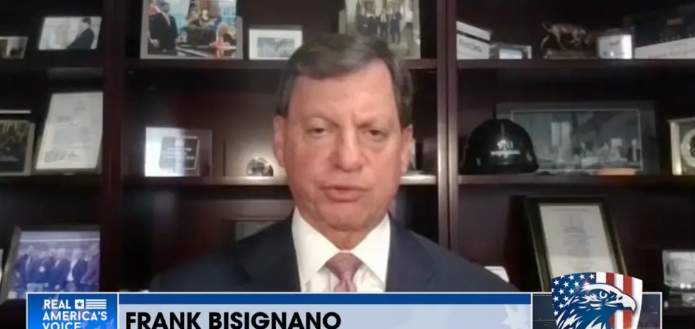
A major review of the Social Security database ordered by the Trump administration has uncovered an error rate of more than 10%, with officials saying inaccurate records created opportunities for fraud, waste and abuse across multiple federal programs. The findings were announced by IRS CEO Frank Bisignano, who said the cleanup effort has already led to criminal investigations and significant taxpayer savings.
Bisignano said the audit found that millions of records contained inaccuracies, including active Social Security numbers that should no longer have been available for use. While many of those individuals were not receiving Social Security benefits, officials said the flawed records could still be exploited to fraudulently obtain government payments and other benefits.
According to Bisignano, the review identified approximately $30 million in improper payments tied to the erroneous records, though not all of the money was ultimately distributed. He said several cases have already been referred to the Department of Justice and Treasury investigators, with additional investigations ongoing into potential fraud involving federal benefits.
Administration officials said the database reconciliation now combines information from birth records, the Social Security Death Master File, the Department of Homeland Security and other federal agencies to improve accuracy in real time. They said the enhanced safeguards have prevented roughly $150 million in fraudulent losses over the past year alone.
The database cleanup also played a key role in stopping nearly $100 million in payments that would have gone to deceased recipients. Treasury officials said those funds have since been recovered through the Do Not Pay program, which verifies identities and eligibility before federal payments are issued.
Treasury Secretary Scott Bessent said the effort fulfills President Trump’s directive to eliminate improper payments and strengthen the integrity of the federal payment system. Officials estimate the expanded anti-fraud measures could ultimately save taxpayers more than $330 million while continuing to identify and prevent fraudulent claims before money leaves the Treasury.