
Trump Board Of Peace Releases Road Map To Implement Gaza Peace Plan
President Donald Trump‘s newly established Board of Peace released a detailed 15-point roadmap Friday outlining how the administration intends to implement its Gaza peace plan after Hamas agreed to lay down its weapons. The proposal provides a phased framework for ending the conflict, rebuilding Gaza, establishing a new governing authority, and ensuring the territory can no longer be used as a base for terrorist activity.
The roadmap begins with three guiding principles: Gaza must become a deradicalized, terrorism-free territory, reconstruction must focus on improving the lives of Gaza’s civilian population, and the war can end only if both sides fully commit to the agreement. Under the proposal, Israeli military operations would cease, Israeli forces would withdraw according to an agreed timeline, and all hostages would be released in exchange for Palestinian prisoners as implementation moves forward.
The plan also calls for Hamas to permanently surrender its weapons and relinquish any governing role in Gaza. Members who agree to peaceful coexistence and disarmament would be eligible for amnesty, while those wishing to leave Gaza would be offered safe passage to participating countries. All tunnels, weapons factories, and terrorist infrastructure would be dismantled and prohibited from being rebuilt.
To oversee the transition, Gaza would be administered by a temporary technocratic Palestinian governing body responsible for day-to-day public services. The Board of Peace would supervise the broader reconstruction effort, coordinate international funding, and establish standards for governance until long-term political arrangements are finalized. The proposal also envisions a major economic redevelopment initiative designed to attract investment, create jobs, modernize infrastructure, and improve living conditions throughout Gaza.
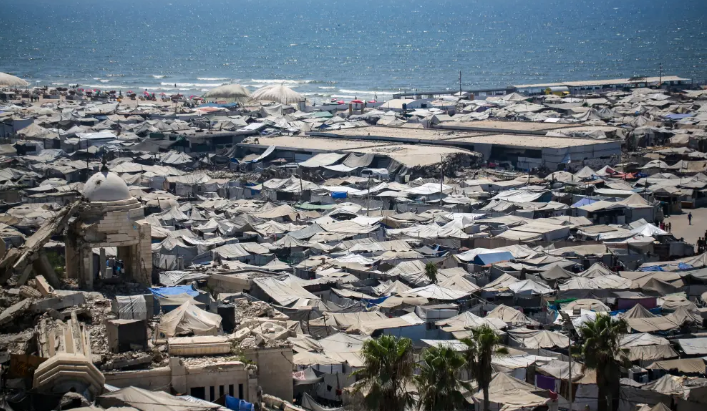
Humanitarian assistance would immediately increase under the roadmap. International organizations would oversee aid distribution, while critical infrastructure including hospitals, water systems, power grids, roads, and sewage networks would be repaired or rebuilt. The plan also calls for the establishment of a special economic zone intended to encourage long-term private investment and economic growth.
Although the administration described the roadmap as a major diplomatic breakthrough, significant challenges remain before full implementation can begin. Questions persist over how Hamas’ disarmament will be verified, the sequencing of Israeli troop withdrawals, and whether all parties will ultimately carry out their commitments. Even so, administration officials described the roadmap as the clearest framework yet for ending the conflict and creating a lasting foundation for peace and reconstruction in Gaza.