
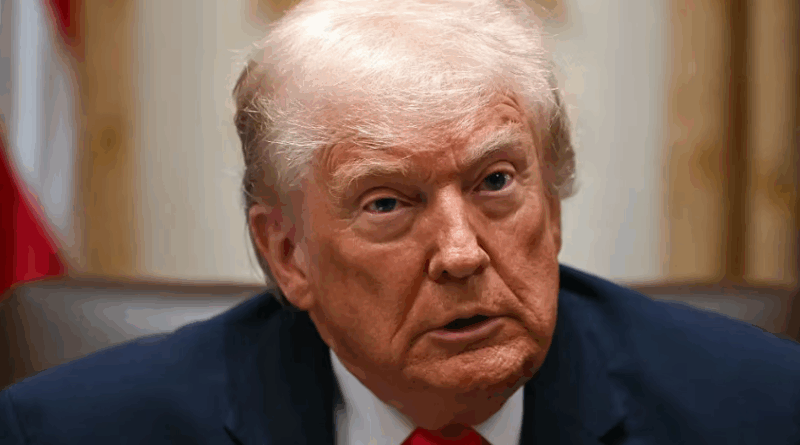
Trump Says China Won’t Arm Iran Ahead Of Xi Meeting
Donald Trump said that China has agreed not to provide weapons to Iran, signaling what he described as a breakthrough ahead of his planned meeting with Xi Jinping next month.
In a series of remarks, Trump claimed that Beijing had backed off potential military support to Tehran following direct communication between the two leaders. He said Xi confirmed the decision in a letter, framing it as part of broader cooperation between the United States and China during the ongoing Middle East conflict.
Trump also struck an unusually upbeat tone about his relationship with Xi, predicting a warm reception when the two meet in Beijing on May 14–15. The meeting had previously been delayed due to the Iran war but is now expected to move forward as tensions potentially ease.
The development comes amid heightened concern over reports that China could supply Iran with advanced air defense systems, including shoulder-fired missiles designed to counter aerial attacks. U.S. officials have been closely monitoring those possibilities as part of the broader conflict.
A key factor in the situation is the Strait of Hormuz, a critical global energy corridor through which a significant share of the world’s oil supply flows. China relies heavily on this route for crude imports, making stability in the region a major economic priority for Beijing.
Trump has argued that U.S. actions to secure and reopen the strait benefit not just American interests, but also global trade partners like China. However, Chinese officials have publicly criticized U.S. military pressure in the region, warning it could escalate tensions and threaten maritime security.
The diplomatic messaging reflects a complex balance. While Trump is highlighting cooperation and de-escalation, Chinese authorities have voiced concern over U.S. tactics, particularly the blockade and military posture aimed at pressuring Iran.
The upcoming meeting between Trump and Xi is expected to address not only the Iran conflict but also broader geopolitical and economic issues, with both sides navigating a mix of competition and coordination on the global stage.