
U.S. Military Kills Four Alleged Drug Smugglers in Caribbean Strike as Crackdown Resumes
The U.S. military has carried out another lethal strike against an alleged drug-trafficking vessel in the Caribbean Sea, killing four people as the Trump administration resumes its aggressive campaign against cartel networks operating near the United States.
U.S. Southern Command said the operation took place Tuesday against a high-speed “go-fast” vessel traveling along established narcotics-smuggling routes. Military officials said intelligence confirmed that the boat was actively involved in drug trafficking before the strike was authorized.
The four deaths bring the reported toll from the administration’s maritime campaign to at least 227 people across 68 strikes since operations began nearly a year ago. The missions have targeted suspected trafficking vessels in both the Caribbean and eastern Pacific.
SOUTHCOM Commander Gen. Francis Donovan said Joint Task Force Western Hemisphere would continue conducting operations against the cartels. He pledged that American forces would hunt, disrupt and defeat trafficking networks that threaten communities throughout the region and inside the United States.
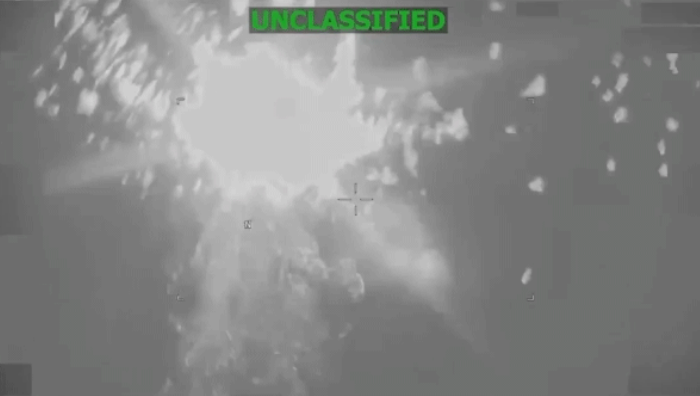
The military released aerial footage showing what appeared to be the targeted vessel traveling across the water immediately before an explosion. SOUTHCOM did not publicly identify the four people killed or release the underlying intelligence it said established the vessel’s connection to narcotics trafficking.
Tuesday’s operation came shortly after another American strike in the eastern Pacific killed two alleged traffickers. That mission was notable because it marked the first publicly announced boat strike in more than two months, ending a significant pause in the campaign.
President Trump has described the fight against Latin American cartels as an “armed conflict,” arguing that traditional law-enforcement efforts have failed to adequately stop criminal organizations responsible for moving deadly narcotics toward the United States.
The administration maintains that military force is necessary to disrupt trafficking organizations before their shipments can reach American communities. Trump has repeatedly connected the campaign to the enormous number of Americans who have died from drug overdoses in recent years.
The operations represent a dramatic departure from the traditional American approach to maritime drug interdiction. Rather than relying exclusively on Coast Guard seizures, arrests and criminal prosecutions, the administration has increasingly used military strikes against vessels it identifies as active cartel trafficking operations.
The campaign may also be expanding beyond the water. Defense Secretary Pete Hegseth recently said the administration has been pursuing agreements with Latin American governments that could allow joint American operations against criminal organizations on land.
Colombia, Honduras and Guatemala have been among the countries discussed as potential partners, although Guatemala has disputed claims that it reached an agreement allowing such operations. Ecuador has already conducted joint missions with the United States as Washington seeks greater regional cooperation against organized crime.
The latest strike demonstrates that the two-month lull did not signal an end to Trump’s military campaign against suspected cartel vessels. With two lethal operations occurring within days of each other, SOUTHCOM is signaling that American forces are once again actively targeting alleged trafficking networks operating across waters approaching the United States.
For the Trump administration, the objective remains straightforward: make the maritime drug trade increasingly dangerous for the cartels attempting to move narcotics toward American shores. After 68 reported strikes and at least 227 deaths, the latest operation makes clear that Washington has no immediate plans to abandon that strategy.