
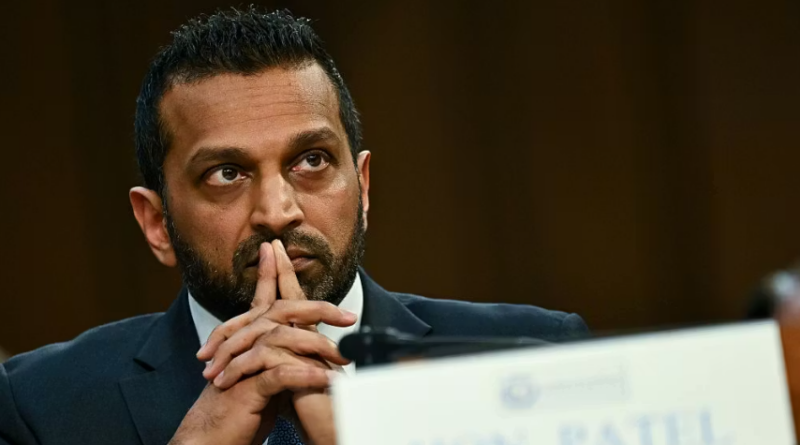
Kash Patel Blasts Atlantic Report As ‘Categorically False,’ Signals Imminent Lawsuit
Kash Patel is preparing to take legal action against The Atlantic following a report he says is “categorically false and defamatory,” escalating the dispute into a potential high-profile court battle.
Ahead of publication, Patel warned the outlet directly, telling reporters to “print it” and that he would see them “in court.” That warning has now evolved into what his team describes as an imminent lawsuit.
The article, written by journalist Sarah Fitzpatrick, alleges a pattern of troubling behavior, including claims that Patel engaged in erratic conduct, struggled with alcohol, and was at times unreachable during critical moments. One of the most controversial assertions involves a so-called “locked room” incident, where officials allegedly considered using breaching tools to access him.
Patel’s legal team forcefully rejected the report in its entirety. His attorney, Jesse Binnall, said the claims rely heavily on anonymous sources and lack verifiable evidence. He specifically challenged the “breaching equipment” allegation, arguing there is no public record or credible corroboration to support it.
FBI officials quickly rallied behind Patel. Agency representatives dismissed the story as recycled rumors that had previously failed to meet journalistic standards. They also pointed to internal performance metrics, including enforcement activity and crime-fighting outcomes, as evidence of effective leadership.
Patel himself framed the controversy as politically motivated, accusing the publication of acting with “actual malice,” a key legal standard required to prove defamation involving a public official. He has also demanded that the outlet preserve all internal communications and source materials tied to the story, signaling preparation for litigation.
Reaction in Washington split along partisan lines. Chuck Schumer cited the report as evidence Patel is unfit for office, while Tom Cotton dismissed it as a smear and defended the FBI director’s record.
Inside the administration, Patel has received backing from top officials, including Todd Blanche, who criticized anonymously sourced reporting and defended Patel’s performance.
For its part, The Atlantic stands by the story, citing interviews with more than two dozen sources and maintaining confidence in its reporting.
With neither side backing down, the dispute is rapidly moving toward a legal showdown that could test the boundaries of defamation law and the use of anonymous sourcing in major investigative reporting.