
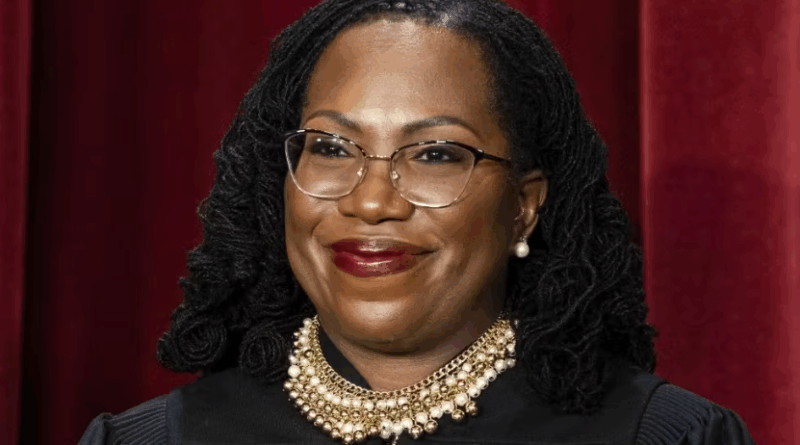
Ketanji Brown Jackson Rips Supreme Court’s ‘Shadow Docket’ After Series of Trump Policy Wins
Supreme Court Justice Ketanji Brown Jackson sharply criticized the court’s growing reliance on its emergency docket Thursday, warning that the expedited process risks becoming a shortcut for powerful litigants seeking to bypass the normal judicial system. Her remarks came during an appearance at the University of the District of Columbia’s law school in Washington.
The emergency docket, sometimes called the “shadow docket,” allows the Supreme Court to quickly intervene in ongoing cases before lower courts have completed their review. Unlike cases on the court’s regular docket, emergency disputes generally receive abbreviated briefing, typically lack oral arguments and can result in orders containing limited explanation.
Jackson questioned why some litigants are able to receive expedited consideration from the nation’s highest court while other cases wait months or years. She warned that the process could become an “end run around the standard review process” and argued that the modern Supreme Court has become noticeably less restrained when intervening in controversial cases.
Her criticism comes as the Trump administration has repeatedly asked the Supreme Court to intervene after federal judges blocked administration policies. The administration has filed roughly 40 emergency applications since President Trump returned to office, and many of those requests have resulted in temporary victories allowing administration policies to proceed while litigation continues.
Those cases have involved immigration enforcement, federal workforce reductions, government grants and other major administration initiatives. Jackson has frequently dissented when the court has granted emergency relief to the administration, arguing that significant government policies should generally receive more complete consideration before the Supreme Court intervenes.
Jackson said emergency relief historically required litigants to demonstrate an especially urgent threat of irreparable harm. She argued that the court should focus more heavily on whether an emergency truly exists rather than using the expedited process to determine whether a lower court might ultimately have reached an incorrect legal conclusion.
“We cannot expect the public to have faith in our judicial system if, without clear explanation, we are consistently green-lighting harmful acts that do real damage to litigating plaintiffs,” Jackson said. She argued that allowing challenged policies to take effect before their legality has been fully determined can itself produce significant consequences.
The debate over the emergency docket is not limited strictly to the court’s liberal justices. Conservative justices have also raised concerns in particular cases about resolving consequential legal questions through expedited proceedings, although members of the court disagree over when emergency intervention is appropriate and how much explanation should accompany those decisions.
Supporters of the court’s use of emergency orders argue that intervention is sometimes necessary because lower-court litigation can take months or years while nationwide policies remain blocked. Justice Elena Kagan has also said the court has improved its practice of providing written explanations for some emergency decisions, even as she and Jackson have criticized aspects of the process.
Jackson has repeatedly raised the issue in both public appearances and judicial dissents. Her latest remarks signal that disagreements within the Supreme Court over the emergency docket are likely to remain prominent as the justices continue confronting challenges to President Trump’s policies during his second term.