
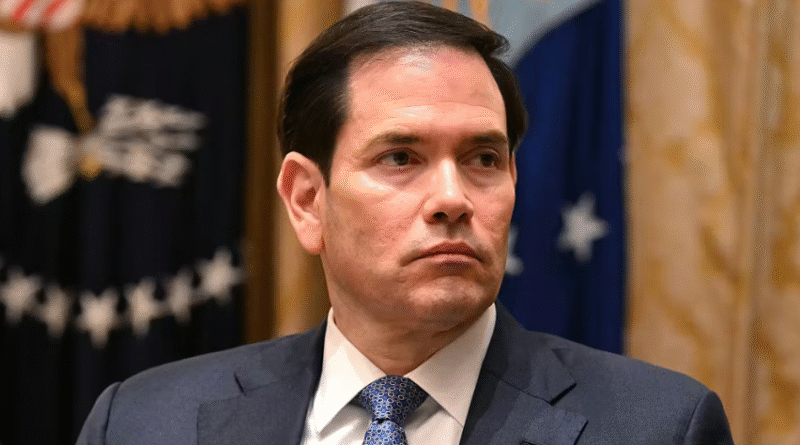
Marco Rubio Announces Sweeping Sanctions Against International Criminal Court, Warns US Could Dismantle Institution
Secretary of State Marco Rubio announced sweeping new sanctions against the International Criminal Court on Friday, warning that the Trump administration will continue working to dismantle the international tribunal unless it abandons efforts to prosecute American military personnel, government officials and political leaders.
The sanctions target the International Criminal Court as an institution, expanding previous measures that focused on individual judges and prosecutors. The administration says the move is necessary to protect American sovereignty and prevent an international body from exercising authority over citizens of a country that never joined the court.
Rubio announced that the United States would prohibit most financial transactions with the ICC, restricting its access to American banking services, technology companies and the U.S. dollar. The measures are designed to place substantial financial pressure on the organization and limit its ability to conduct international operations.
The secretary emphasized that both Republican and Democratic administrations have historically objected to the court exercising jurisdiction over American citizens. The United States never ratified the Rome Statute, the international treaty that established the ICC in 2002.
Rubio accused the tribunal of attempting to expand its authority beyond the limits accepted by the United States. He specifically raised concerns about potential investigations targeting American servicemembers, Border Patrol agents and elected officials carrying out national security responsibilities.
The administration has given companies and individuals a 180-day period to wind down certain transactions with the court. Additional exemptions will temporarily permit some activities involving telecommunications, software services, pensions and other limited operations.
Rubio explained that the temporary exemptions are intended to provide an opportunity for diplomatic negotiations. He said Washington had spent more than a year requesting changes from the ICC and its member countries but had not received sufficient assurances that American personnel would be protected from future prosecution.
The secretary also called on America’s European allies and other countries participating in the court to intervene. He argued that nations benefiting from American military protection should recognize Washington’s objections and help prevent the tribunal from pursuing cases involving U.S. citizens.
The latest action follows years of disputes between Washington and the ICC over investigations involving American military operations in Afghanistan. The court has examined allegations of war crimes committed during the conflict, prompting objections from successive American administrations over the tribunal’s authority.
The Trump administration has also opposed the ICC’s actions involving Israel, particularly arrest warrants issued against Israeli Prime Minister Benjamin Netanyahu and other officials over allegations connected to the war in Gaza. Neither the United States nor Israel is a member of the court.
Trump previously imposed sanctions against ICC personnel during his first administration in 2020. Those restrictions were lifted under President Joe Biden before Trump returned to office and renewed sanctions against judges and prosecutors involved in investigations concerning American and Israeli officials.
The administration has already sanctioned 17 individuals under its current ICC sanctions framework. Friday’s announcement goes further by targeting the institution itself rather than relying exclusively on penalties against specific personnel.
The ICC strongly rejected the latest measures, accusing Washington of attempting to obstruct international justice and interfere with an independent judicial institution. Court President Tomoko Akane said the tribunal would continue carrying out its responsibilities under international law despite the restrictions.
The court maintains that its jurisdiction can extend to alleged crimes committed on the territory of member states, even when the accused individuals are citizens of countries that have not joined the treaty. That interpretation remains a central source of disagreement between the ICC and the United States.
Several American allies, including Canada, France, Germany, Japan and the United Kingdom, expressed opposition to the sanctions. The countries reaffirmed their support for the court’s work investigating genocide, crimes against humanity and war crimes.
Sen. Jeanne Shaheen of New Hampshire, the leading Democrat on the Senate Foreign Relations Committee, also criticized the administration’s decision. She argued that restricting the court could undermine international accountability efforts involving conflicts in Ukraine, Sudan and other regions.
The announcement came on the same day that former ICC judge Navanethem Pillay received the Nobel Peace Prize for her work involving international criminal justice. Rubio did not reference the award in his announcement.
The Trump administration maintains that the ICC must respect American sovereignty and abandon any effort to prosecute U.S. citizens without Washington’s consent. Rubio warned that additional sanctions and diplomatic pressure would follow if the court and its member nations fail to address those concerns.
For now, the restrictions represent a significant escalation in Washington’s confrontation with the international tribunal. The administration has left open the possibility of negotiations but made clear that it is prepared to pursue further measures against the ICC if an agreement cannot be reached.