
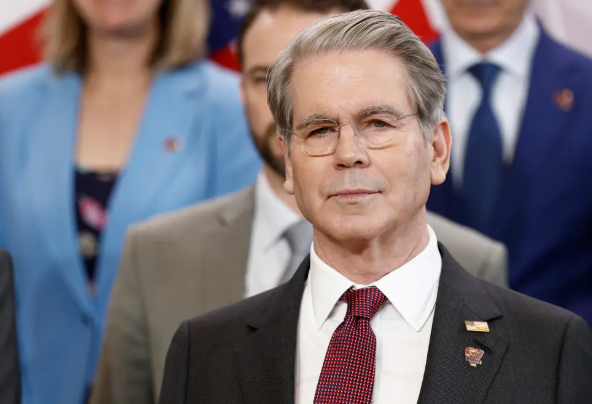
Scott Bessent Warns Iran Will Have ‘Nothing Left to Trade’ Within Two Weeks
Treasury Secretary Scott Bessent is warning that Iran could soon have virtually nothing left to trade as the Trump administration’s economic pressure campaign and blockade continue squeezing Tehran’s ability to sell oil and conduct business internationally.
Bessent said Sunday that only about 15 million barrels of Iranian oil remain in transit for delivery. Once those shipments reach China, he predicted that Iran will have little left to exchange for the goods and resources it needs.
The Treasury secretary said he expects those remaining deliveries to be completed within roughly two weeks. Bessent argued that the rapidly shrinking oil lifeline is one reason Iranian leaders have renewed their efforts to negotiate with the United States.
The Trump administration has dramatically increased economic pressure on Tehran through a campaign known as Operation Economic Outcast. The effort has targeted Iran’s oil exports, financial institutions, shipping operations, airlines and access to international financial networks.
Bessent said the administration has shut down three banks connected to Iran while also targeting cryptocurrency transactions and other methods Tehran could use to move money. He also said Iranian airlines have become increasingly isolated as Washington expands enforcement of its restrictions.
The administration’s strategy has also included a blockade designed to prevent Iranian oil from leaving the country. Bessent said other oil shipments continue moving through the Strait of Hormuz while Iranian exports have effectively been shut down, putting additional pressure on a government heavily dependent on energy revenue.
Iran has recently attempted to negotiate a new agreement with Washington. Tehran proposed reopening the Strait of Hormuz under a seven-day ceasefire plan that would have required the United States to ease sanctions, lift its blockade and unfreeze billions of dollars in Iranian assets.
President Trump rejected that proposal, saying Iran had overplayed its hand. Trump said Sunday that he expects additional talks with Tehran but indicated that the agreement currently being offered by Iran does not meet his administration’s demands.
Bessent argued that the economic pressure is designed to ensure Iran takes any future agreement seriously. He said the administration wants Tehran in a position where it understands there will be severe consequences if it enters another agreement and then fails to honor its commitments.
With Iran’s remaining oil shipments rapidly dwindling, Bessent believes the pressure could reach a critical point within weeks. The administration is betting that cutting Tehran off from its major sources of revenue will ultimately force Iranian leaders to accept an agreement on terms President Trump considers acceptable.