
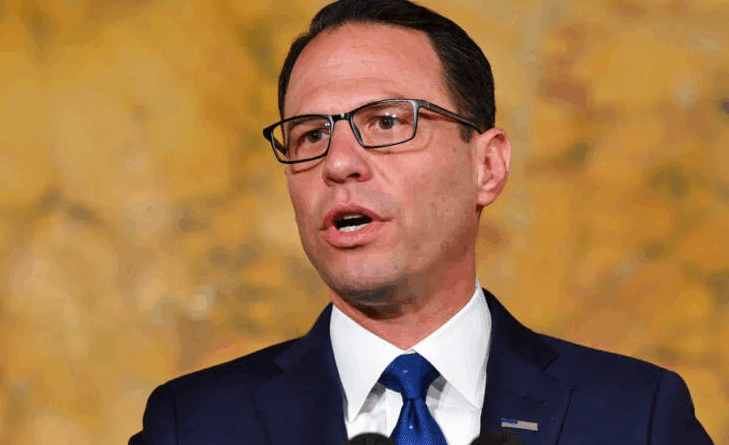
Josh Shapiro Refuses to Commit to Full Second Term as 2028 Presidential Speculation Grows
Pennsylvania Gov. Josh Shapiro declined to commit to serving a full second term if reelected in November, raising fresh questions about whether the prominent Democrat is considering a presidential campaign in 2028.
Shapiro was asked directly about his political future during Wednesday night’s gubernatorial debate against Republican challenger Stacy Garrity. Rather than promising to complete another four years in office, the governor emphasized his current reelection campaign and redirected attention toward his opponent.
The Democratic governor insisted that his immediate priority is winning another term in Pennsylvania and helping his party in the upcoming midterm elections. He did not explicitly rule out seeking the presidency in 2028, when he would be halfway through a second gubernatorial term.
Shapiro also criticized Garrity, Pennsylvania’s state treasurer, for seeking higher office before completing her current term. He argued that she had previously committed to serving four years as treasurer and was now pursuing the governorship instead.
The exchange comes as Shapiro continues attracting national attention as a potential Democratic presidential candidate. He was previously considered for the vice-presidential nomination during Kamala Harris’ 2024 campaign before Harris ultimately selected Minnesota Gov. Tim Walz.
Shapiro’s political profile has grown considerably since his election as Pennsylvania governor in 2022. His leadership of a major presidential battleground state has made him a frequent subject of discussions about the Democratic Party’s future.
The governor has also faced disagreements within his party over his support for Israel. During Wednesday’s debate, Shapiro defended his position while acknowledging that he has disagreed with decisions made by Israeli Prime Minister Benjamin Netanyahu’s government.
His refusal to rule out leaving office early follows a similar exchange involving Maryland Gov. Wes Moore, another Democrat whose name has surfaced in discussions about the 2028 presidential election.
During Tuesday’s Maryland gubernatorial debate, Moore was asked whether he would complete a full four-year term if reelected. The governor responded by emphasizing his commitment to Maryland but declined to provide a direct yes-or-no answer when pressed.
Moore previously stated that he was not running for president in 2028. More recently, however, he has expressed interest in participating in a broader national conversation about the future of the Democratic Party.
Republican challenger Dan Cox criticized Moore’s response, arguing that Maryland voters deserve to know whether their governor intends to remain in office or pursue the presidency before completing another term.
Both Shapiro and Moore are seeking reelection in November while facing questions about their longer-term political ambitions. Neither governor has formally announced plans to enter the 2028 presidential race.
In Pennsylvania, Shapiro and Garrity also debated energy prices, economic policy, healthcare, data center development and election administration. Garrity criticized the governor’s record on affordability, while Shapiro sought to connect his Republican opponent to policies supported by President Trump.
Shapiro has defended his administration’s record on economic development, education funding and tax relief. Garrity has argued that Pennsylvania families continue facing financial pressures and that the state needs a different approach to energy production and economic growth.
The question of whether Shapiro intends to serve another complete term remains unanswered. With the 2028 presidential election approaching, his decision to leave that possibility open is likely to remain a subject of attention as Democrats consider their future national leadership.